
University at Albany Social Work Programs
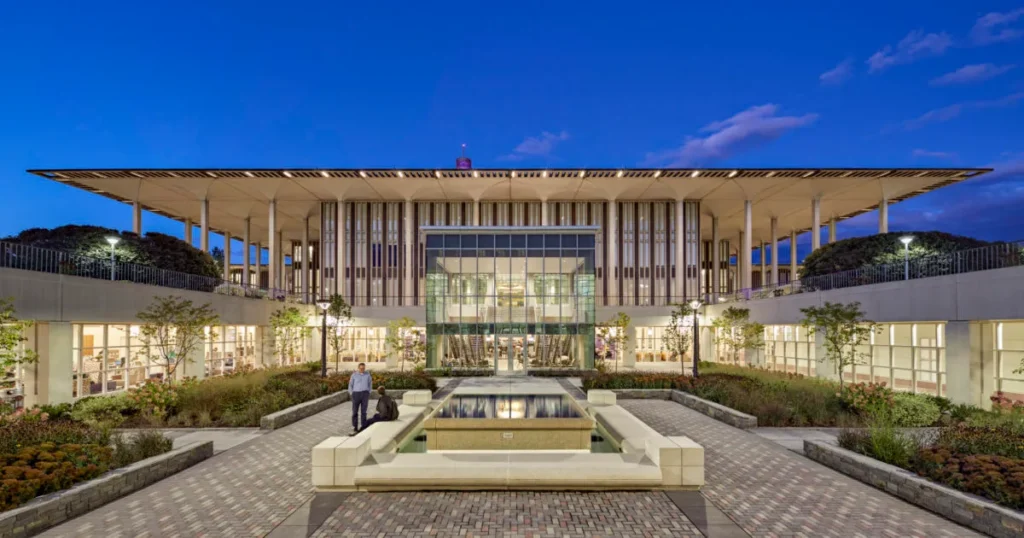
The University at Albany serves as the core of the State University of New York (SUNY) system. Students can prepare themselves for effective careers in social work through its educational programs. Since its founding in 1844 as a normal school for teacher education, the university has grown into a research institution that stays true to its public service and education mission.
The School of Social Welfare stands at the center of the university’s social work programs. This school has earned recognition for its academic excellence and community participation. Students learn both theory and gain practical field experience. These combined elements help them develop the intellectual foundation and hands-on skills they need to work as social workers.
The University at Albany’s social work education takes a unique approach by focusing on social justice and diversity. Students learn about power dynamics, privilege, and structural inequalities through the curriculum. This knowledge prepares them to tackle complex social issues in various communities. The faculty brings years of professional experience and research expertise to create a learning environment that connects academic scholarship with real-life application.
New York’s capital region location gives social work students significant advantages. They can access state government agencies, policy institutes, and numerous community organizations. These places provide internship and field placement opportunities where students apply their classroom learning. The location also creates networking opportunities and career paths for graduates.
The School of Social Welfare’s partnerships extend to local, national, and international organizations. Guest lectures, research projects, and community initiatives enhance the educational experience. Students learn about different practice settings and current field challenges through these connections.
The University at Albany provides a detailed educational foundation that combines academic excellence with practical training and social justice principles. Social work programs adapt to meet the profession’s changing needs while preparing graduates to help individuals, families, and communities thrive.
Social work programs offered
The University at Albany’s School of Social Welfare offers detailed programs that prepare students for professional practice at every level. Students learn about social justice, ethical practice, and gain hands-on experience working with people from different backgrounds.
The Bachelor of Science in Social Welfare program gives you the essential knowledge of social work history, roles, and professional identity. Students develop their critical thinking skills and learn human behavior theories while looking at power dynamics and oppression mechanisms. Graduates learn to understand and implement evidence-based practices at the entry level during all phases of the helping process.
Students can earn a fully accredited Master of Social Work (MSW) 60-credit program in two years. The curriculum meets all requirements for Licensed Master Social Worker (LMSW) and Licensed Clinical Social Worker (LCSW) credentials starting Fall 2025. MSW graduates build a strong professional identity, show leadership skills, and become experts in applying their knowledge in settings of all types.
BSW degree holders can choose the Advanced Standing option, which offers up to 21 credits toward their MSW. This allows them to complete the degree in one summer plus one academic year. Students need a BSW from a CSWE-accredited program earned within six years of starting.
The university’s dual degree programs include:
- MSW/MA in Criminal Justice – perfect preparation for clinical or managerial social work careers in the justice system
- MSW/MPH in Public Health – blends social work with public health expertise
- MSW/PhD Dual Degree Program
- MSW and JD Joint Program with Albany Law School
The Albany Internships in Aging Project is a great way to get education for practice and leadership in social work services for older adults. Field instruction plays a vital role in the educational experience. Students get supervised practice in community agencies to apply their classroom learning in real-life settings.
Online program options
University at Albany offers a fully online Master of Social Work program that gives students flexibility in their social work education. Students get the same quality education as on-campus programs with added benefits that work well for professionals and those who can’t attend in person.
The program comes with two different paths. Students with a BSW from CSWE-accredited schools can take the fast-track one-year advanced standing option with 32 credits. Students holding degrees in related fields like psychology or criminal justice can complete the complete two-year program with 64 credits.
The online format brings great cost advantages. Students pay about 30% less than their on-campus counterparts. The program maintains high educational standards and offers engaging learning through:
- One-on-one academic advisement
- Role-play scenarios to develop skills
- Ground simulations that match field experiences
Life changes happen, and the university understands this. Students can defer their enrollment up to one year by paying a deferment fee. A new application becomes necessary if students need more than a year’s deferment.
Students who start online can switch to in-person full-time or part-time formats. This switch comes with some limits – online courses aren’t guaranteed after changing formats, and the Field Office can’t promise field practicum completion within preferred timelines. Students should talk to an Academic Advisor before making such changes.
Anyone wanting to learn more about the online MSW program can join virtual information sessions. Admissions representatives answer questions about curriculum, application processes, and program requirements in these sessions.
Admissions
Students seeking admission to the University at Albany’s social work programs must meet specific success-oriented criteria. A liberal arts bachelor’s degree from an accredited college or university serves as the basic requirement.
The admission committee evaluates applications based on four key areas. These include the student’s academic background and achievements, experience in human services, recommendation letters’ strength, and clear goals for graduate studies.
The MSW program application package needs several key documents. Students must provide official transcripts from previous college coursework and three references from academic or human service professionals. A personal statement spanning 2-4 pages should detail career goals and relevant experiences, along with an updated resume. The standard MSW admission process doesn’t need GRE scores, though some dual or joint programs might ask for them.
Students from other countries must meet extra requirements. They need to submit Test of English as a Foreign Language (TOEFL) scores with a minimum of 213 for computer-based tests. The Test of Spoken English (TSE) requires a minimum score of 50.
Future social workers should note that felony convictions, misdemeanor convictions, or DWI incidents might affect their professional license eligibility in certain states.
Tuition
The University at Albany’s MSW program provides excellent value compared to private schools with the same academic standards. Your costs will depend on where you live and how many classes you take.
New York residents pay $6,540 per semester for the MSW program. Add fees of $1,299, and the total comes to $7,839 per semester or $15,678 for a full academic year. Students from outside New York pay by a lot more – $11,670 per semester plus $1,299 in fees. This brings their total to $12,969 per semester or $25,938 yearly.
Credits determine costs for part-time students. In-state MSW students pay $690.33 including fees for one credit, while nine credits cost $5,902.97. Non-residents pay $1,118.33 for a single credit, with nine credits adding up to $9,754.97.
The online MSW program can save you money – about 30% less than studying on campus. This makes it an attractive option if you’re watching your budget.
Academic departments handle most financial aid options. You should ask about scholarships, assistantships, and fellowships while applying. In fact, individual departments manage most merit-based awards themselves.
Your total educational costs need to include more than just tuition. You’ll also need to budget for housing, meals, books, and transportation.
Other information
University at Albany’s social work programs stand out for several compelling reasons. The MSW program has full accreditation from the Council on Social Work Education. Students in the Advanced Generalist track prepare for the New York State LMSW licensing exam. Graduates need 36 months of supervised experience to qualify for LCSW licensure after passing this exam.
Students get ground experience through field education at nearly 700 agencies across the Capital District. The School of Social Welfare runs on its own calendar that differs from the university’s regular schedule, particularly for field instruction.
Students interested in working with older adults can join the Albany Internships in Aging Project. This program builds expertise and leadership skills in elder care services. Students with felony or misdemeanor convictions should know that their criminal history might affect their ability to get licensed in some states.
The university’s alumni network is a big deal as it means that more than 189,000 professionals work worldwide. Students connect with prominent professionals through the UAlbany Career Advisory Network (UCAN) to get career advice. These resources create a supportive community that stays with students long after graduation and helps turn their classroom knowledge into thriving social work careers.