
Niagara University Social Work Programs
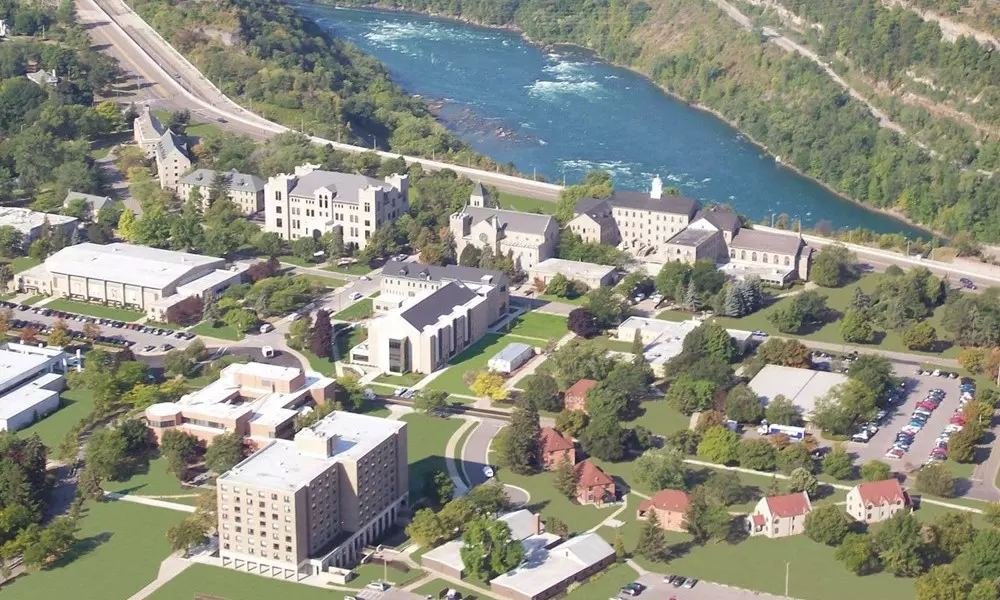
Niagara University sits on the shores of the majestic Niagara Falls. This private Catholic institution has built a legacy of academic excellence and community service. The Vincentian community guides the university’s mission to serve people in need – a perfect match with social work education values.
Students who choose Niagara University’s social work programs join a close-knit community that values hands-on learning and personal attention. The small campus creates meaningful bonds between students and faculty. This environment helps future social workers grow both as professionals and individuals.
Niagara University’s School of Social Work Programs stands out for preparing students to tackle ground challenges. The curriculum combines theory with practical experience, which equips graduates to make a difference in their communities right away. The programs have built strong ties with local agencies that give students networking opportunities and field placements.
Academic excellence drives every aspect of Niagara’s social work programs. The university keeps its curriculum fresh with current best practices and new trends in the field. Faculty members bring both scholarly knowledge and ground experience to the classroom. This combination helps students connect textbook concepts to professional practice.
Work study options at Niagara University add value to social work students’ educational trip. Students can earn relevant experience while reducing their educational costs. The university’s focus on service learning fits perfectly with social work values. Students participate in community projects throughout their studies.
The western New York campus location offers easy access to both city centers and country areas. Students experience social work in different settings. These varied field experiences prepare graduates for the challenges they’ll face as licensed professionals.
Future students looking at Niagara University’s school counseling or social work programs will find a steadfast dedication to developing ethical, skilled, and caring professionals across all helping fields.
Social work programs offered
Niagara University’s social work program awards a Bachelor of Science degree accredited by the Council on Social Work Education (CSWE). This accreditation will prepare you to tackle complex challenges that individuals, families, and communities face after graduation.
The B.S. in Social Work curriculum has two well-laid-out sequences. The Preprofessional Foundation Sequence has these essential courses:
- SWK 100: Introduction to Social Work (has 25 hours of service learning)
- SWK 200: Introduction to Social Services and Policy
- SWK 210: Diversity and Social Justice
- SWK 211 & 212: Human Behavior and Social Environment 1 & 2
- SWK 310: Basic Helping Skills (a crucial course that requires application to progress)
Students must complete general education courses alongside these core requirements. These include Human Biology (BIO 101), Introduction to Statistics (MAT 102), Introductory Psychology (PSY 101), and a sociology elective.
The program features approximately 500 hours of field experience through service learning opportunities and practicum placements. Students get real-life experience through two on-campus civic engagement centers and a year-long placement at a social work agency.
Niagara also offers a 15-credit Social Work minor. This option requires five courses: Introduction to Social Work, Understanding & Addressing Poverty, Introduction to Social Services and Policy, Diversity and Social Justice, and one Social Work elective.
The curriculum centers on five major themes: competent generalist social work practice, enabling poor and at-risk populations, social and economic justice, service to communities, and knowledge development. These themes prepare students for careers in schools, mental health agencies, hospitals, family services, criminal justice programs, addiction facilities, community organizations, and government agencies.
The core team brings rich clinical experience from Chicago, Boston, Buffalo, and Niagara Falls. They hold graduate and doctoral degrees in social work.
Online program options
Students looking for flexibility in their education will find Niagara University offers learning formats that fit different schedules and needs.
The university’s approach to education puts flexibility first. Students can choose from online, hybrid, blended, and hyflex courses. These options are a great way to get experience for working professionals and students with other commitments who want to advance their social work careers.
Niagara University has many online graduate certificates and programs in Education Leadership, Information Security, and Teaching English to Speakers of Other Languages. The social work curriculum typically follows a traditional format because hands-on practice is essential.
Many students take advantage of evening and online classes. SUNY Niagara at Night helps working adults with flexible evening and online classes. Students can start at multiple dates throughout the year and study part-time or full-time. Social work students can balance their studies with work and personal life easily.
There’s another reason to consider Niagara – its microcredential programs create focused paths in related fields. The Substance Abuse Services Microcredential includes 12 credits of core courses in chemical dependency counseling. Students can complete it online. This credential helps social work professionals who want to specialize in addiction services.
The Disability Awareness Microcredential is another valuable option. It gives students fundamental knowledge about human services systems and disabilities throughout life. These specialized credentials boost the skills of social work professionals who want to address specific community needs.
The quality of education stays consistent. Students who complete online programs or certificates at Niagara University earn the same credentials as on-campus students. This applies to all learning formats.
Admissions
Niagara University makes getting into college easier with their rolling admissions policy. Students can apply anytime for upcoming semesters, and the university reviews applications right after they arrive.
The path to joining Niagara University’s social work programs is simple and clear. Most applicants hear back within 3-4 weeks once they submit everything. This quick response helps students better plan their academic experience.
Future freshmen hoping to study social work need to follow these steps. They can choose between Niagara’s online application or the Common Application. The process needs their high school records and a counselor’s recommendation. Students should add SAT/ACT scores where needed and submit either a 250-word essay or a graded paper. Niagara’s online applications come with no fees.
Niagara stands out as Western New York’s top choice for transfer students. The university’s excellence in supporting transfers shows in their five-year streak on the Phi Theta Kappa Honor Society’s Transfer Honor Roll.
The Bachelor of Arts program’s entrance requirements are specific. Students need four units of English, two each of language, mathematics, science, and social studies. They also need four academic electives, adding up to 16 academic units.
Niagara’s Catholic mission embraces qualified applicants from all backgrounds. The university welcomes students whatever their race, gender, age, national origin, religious preference, sexual orientation, veteran status, or disability.
Tuition
Niagara University makes its tuition costs clear and straightforward. You’ll find undergraduate tuition set at $36,100 plus $2,035 in yearly fees. Social work students taking part-time classes should budget around $1,200 per credit hour.
Your graduate program costs will vary based on what you study. Credit hour rates range from $670 to $1,140. The Board of Trustees reviews and updates these rates periodically.
Niagara partners with TouchNet to give you a helpful monthly payment option. You can split your tuition into four monthly payments instead of one big payment. Each semester needs a $50 enrollment fee, but you won’t pay any interest or extra charges.
You can pay your tuition through several methods:
- Electronic Check (no processing fee)
- Canadian Preauthorized Debit (no processing fee)
- Credit/Debit Card (3% domestic processing fee; 4.25% international fee)
- Check or money order by mail
Making education affordable stays at the heart of Niagara’s mission. 99% of students get some type of financial aid. Students can access scholarships, grants, and work-study programs. Military members receive a special rate reduction of $100 per credit hour.
Your final costs could be lower by a lot after financial aid. Most students pay between $12,255 and $24,028 based on their family’s income.
Other information
Niagara University provides vital support to help social work students become licensed professionals, beyond their regular coursework. The university’s programs meet New York State licensure requirements. Students who plan to practice in other states should check their state’s specific requirements since determinations vary across states.
The department aims to create a just world that restores, preserves, and celebrates human dignity. Students can access detailed career services Monday through Friday, with convenient remote appointments available. The services help students with career counseling, internship placements, interview practice, and resume reviews.
Graduating makes you a member of the Niagara Alumni Network automatically. Members receive exclusive benefits including ongoing career services, insurance discounts, library access, and lower Kiernan Center membership rates. The university offers scholarships worth $1,000 annually to qualified legacy students.
The library supports academic excellence with specialized social work resources. Students can enhance their research using databases like Social Work Abstracts and PsycARTICLES. The university’s Counseling Services provides confidential mental health support in a safe, judgment-free environment. These resources create a strong support system that helps students through their educational trip and beyond.