
Fordham University vs Columbia University MSW
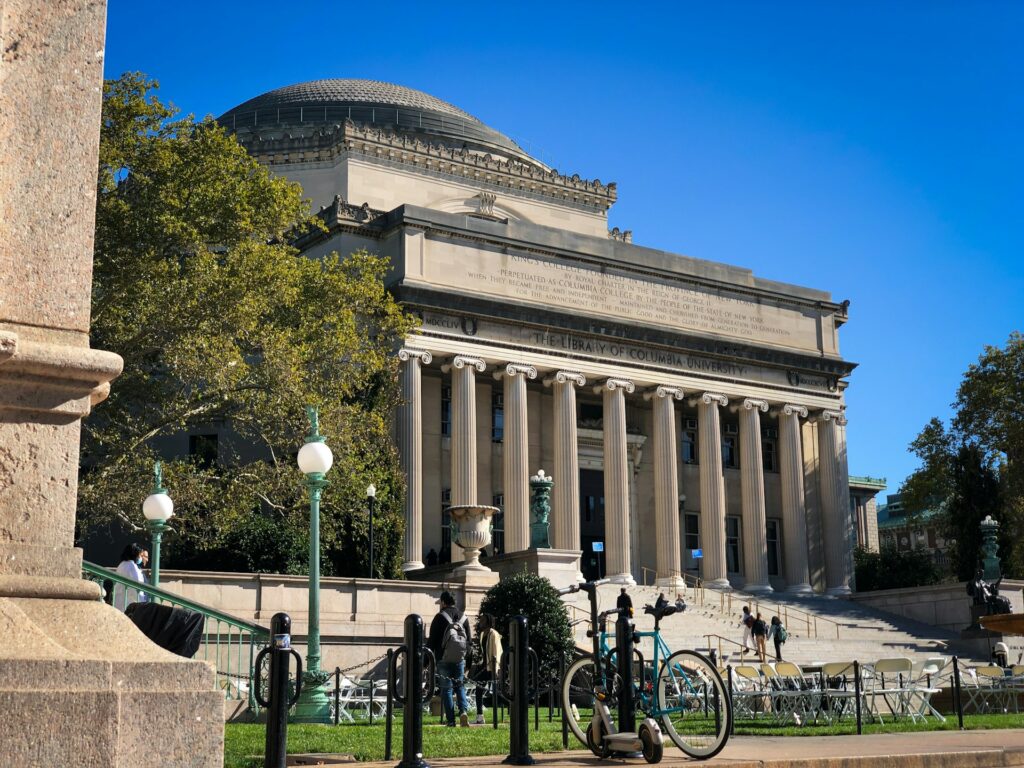
Choosing between Fordham and Columbia MSW programs can feel overwhelming when both schools are among the highest-ranked in the U.S.
New York City has 12 CSWE-accredited MSW programs, and these two universities stand out for their own reasons, especially if cost is not your main concern. Both universities have been accredited by the CSWE for a long time – Fordham since 1926 and Columbia University since 1919, although they claim to have been involved in social work education since 1898. Both schools have online programs that have been accredited since 2018. Fordham University’s MSW ranks in the top 8 percent nationally. Both programs offer specialized, forward-thinking concentrations.
Students looking for a quick path to graduation can look to either Fordham’s or Columbia’s Advanced Standing programs, which set up BSW graduates with an accelerated MSW that can be finished in about one year. From all accounts, field education locations are similar for both schools.
Our guide takes you through program formats, specializations, differences, similarites and more between the two programs so you can make your decision.
*Note: Our analysis comes from our years of experience in Enrollment and Admissions, not our personal experiences with the programs.
Format and Delivery of the MSW
Fordham and Columbia MSW programs follow a two-phase structure divided into generalist and specialized years. Columbia requires 60 credits total, with 42 credits from coursework and 18 credits from practicum learning. Fordham’s program requires 62 credits: 48 credits of classwork and 14 credits of fieldwork experience.
Full-time students at both universities complete their degrees in two academic years. You spend two days per week in the classroom and three days per week in practicum placements at Columbia, totaling 1,200 hours of field education. Fordham students complete 950 hours of fieldwork placement, with practicum schedules between 15 and 21 hours per week.
Part-time students can extend their studies to three or four years at both institutions. You can begin with two classes per semester in the first year at Fordham, with fieldwork placement added in the second year. Columbia’s part-time pathway requires one or two courses per term. The first year has coursework only and 14 hours per week at practicum sites in subsequent years.
Advanced Standing Tracks: Eligibility and Timeline
Graduates of CSWE-accredited undergraduate social work programs within the past five years qualify for advanced standing at both universities. Columbia’s advanced standing students complete 33 credits. They start with a six-week intensive program in mid-July that has statistics, child abuse reporting and practicum seminar courses. Fordham’s advanced standing track requires 31 credits and can be completed in as few as nine months full-time. This can ultimately save money on tuition and then also allow you to work sooner.
Campus-Based vs Online Learning Options
Columbia offers six learning pathways that are accessible across the country. Online students participate in synchronous live weekly sessions, with recordings available to reference later. Field placements occur locally, with no placement requiring more than a 90-minute commute.
Fordham provides three program modalities: Lincoln Center and Westchester campuses, Molloy Hybrid and fully online. The online program can be completed in as few as 16 months full-time for traditional students and eight months for advanced standing students.
Hybrid Models and Flexibility for Working Professionals
Fordham’s hybrid option was created with Molloy University and combines face-to-face classes at Molloy’s Long Island campus with online courses. Students meet weekly in synchronous sessions while pacing their own learning with asynchronous content. This program has been running since 2014 and offers full-time, part-time and advanced standing plans with fall and spring start dates.
Specializations and Concentration Areas
Columbia University MSW Specializations
You select from four methods and seven fields of practice after you complete your generalist year at Columbia. This creates 28 specialization options. Online students can choose from three methods and two fields of practice. The four method specializations include Advanced Clinical Practice, Integrated Practice and Programming, Policy Practice, and Leadership Management and Entrepreneurship for Social Justice.
Columbia offers specialized programming tracks within three method areas. These include the Accelerated Policy Program and the Dialectical Behavior Therapy Program. Your specialized practice year allows more choice in practicum assignments as the focus changes to your chosen area.
Fordham University MSW Concentrations
Fordham students choose between four specialized domains that focus their coursework based on career aspirations:
- Individuals and Families
- Organizations and Community
- Evaluation
- Policy Practice and Advocacy
The specialist phase takes seven selective courses. Four courses correspond to each domain and three electives of your choice.
Field Education Requirements and Placement Opportunities
Columbia’s practicum education requires 1,200 hours in two placements and accounts for 18 credits of your degree. You spend three days per week (21 hours) at placement sites. The Practicum Education Department partners with around 900 placement sites nationwide. More than 600 sites are in New York City, New Jersey and Connecticut, and around 300 sites are in other states.
Fordham requires 900 hours of fieldwork split between generalist and specialist practicums at 450 hours each. Advanced standing students complete 500 hours in their specialist placement. Students work 15 to 21 hours per week in blocks of at least four consecutive hours between 9 am and 5 pm, Monday through Friday.
Certificate Programs and Additional Credentials
Fordham offers two Specialized Practice Certificates to on-campus students: Health and Crisis and Resilience. These certificates include specific coursework and training that help you stand out in specialized job markets.
Admission Requirements and Program Costs
Application Prerequisites and GPA Expectations
Both universities maintain available admission standards without requiring GRE scores. Fordham requires a bachelor’s degree from a regionally accredited institution plus 18 undergraduate credits in liberal arts content. Columbia expects a bachelor’s degree from an accredited institution with an academic record that suggests capacity to excel at graduate-level study. Non-native English speakers who apply to Columbia must submit a combined TOEFL score of 100 or higher, IELTS Band of 7.0 or higher, or Duolingo English Test score of 130 or higher. The application fee is $60 for Fordham and $75 for Columbia. Both institutions offer waivers for veterans, AmeriCorps alumni, and applicants who experience financial hardship.
Program Duration: Full-Time vs Part-Time Options
Full-time students complete traditional MSW programs in two years at both institutions. Part-time students extend their studies to three or four years. Columbia offers a Part-Time to Full-Time pathway that spans up to four years. Their online program provides completion estimates ranging from one year for Advanced Standing to three to four years for Extended pathways.
Tuition Costs and Financial Aid Opportunities
Fordham charges $1,098 per credit for 2025-2026. On-campus students pay $35,300 in total tuition and fees for the first year and $35,080 for the second year. Columbia awards scholarships ranging from $5,000 to $20,000 to full-time students who show financial need. Fordham’s scholarship funding does not cover more than 10% of total tuition cost. Both programs provide federal loan access, with Federal Direct Unsubsidized Loans that allow up to $20,500 each year.
Advanced Standing Credit Waivers and Savings
Fordham’s advanced standing students save over $30,000 by entering the program with 31 credits already completed. Columbia’s advanced standing pathway awards up to 27 transfer credits and enables students to matriculate as second-year students.
Career Outcomes and Program Rankings
CSWE Accreditation and Licensure Preparation
The Council on Social Work Education accredits both Fordham University MSW and Columbia University MSW programs. This makes them eligible for licensure here in New York. Fordham’s degree meets curriculum requirements for Licensed Master Social Worker (LMSW) examination in all 50 states plus Washington D.C., Puerto Rico, and U.S. territories. Columbia’s MSSW qualifies graduates to apply for LMSW licensure in most states. Pass rates for the ASWB master’s examination exceed national averages.
Employment Settings and Job Placement Rates
Columbia’s 2024 graduates achieved a 96% employment rate. Median salaries reached $70,000. Healthcare sectors hired 55% of graduates, and nonprofit organizations hired 32%. Main job functions included therapy and counseling alongside case management. Social worker employment growth is projected at 9% through 2031.
National Rankings and Reputation Comparison
Fordham ranks in the top 8 percent nationally according to U.S. News & World Report. Columbia maintains an alumni network of 18,000+ working professionals globally.
Alumni Network and Professional Development Resources
Both programs provide lifetime career support. Columbia offers continued access to Career Connect, exclusive job boards, and one-on-one coaching. Fordham provides access to Handshake and licensing preparation courses at no extra fee. Both schools are highly respected in NYC and nationwide, so you’ll have no questions as to the quality of your program at either school.
Choose Your Path
The decision between Fordham’s and Columbia’s MSWs is not as easy as you may think. Once you start with a program, people tend to stay the course, so you want to choose wisely the first time. We have nothing negative to say about either program, since both have the highest accreditation, great field placements, and prepare you for licensure. If there is only one thing separating the two, it would be that Fordham is cheaper, but Columbia is Ivy League, so you’ll have to weigh which is more important to you.