
Starting Your Career: NY Substance Abuse Counselor Training & Certification
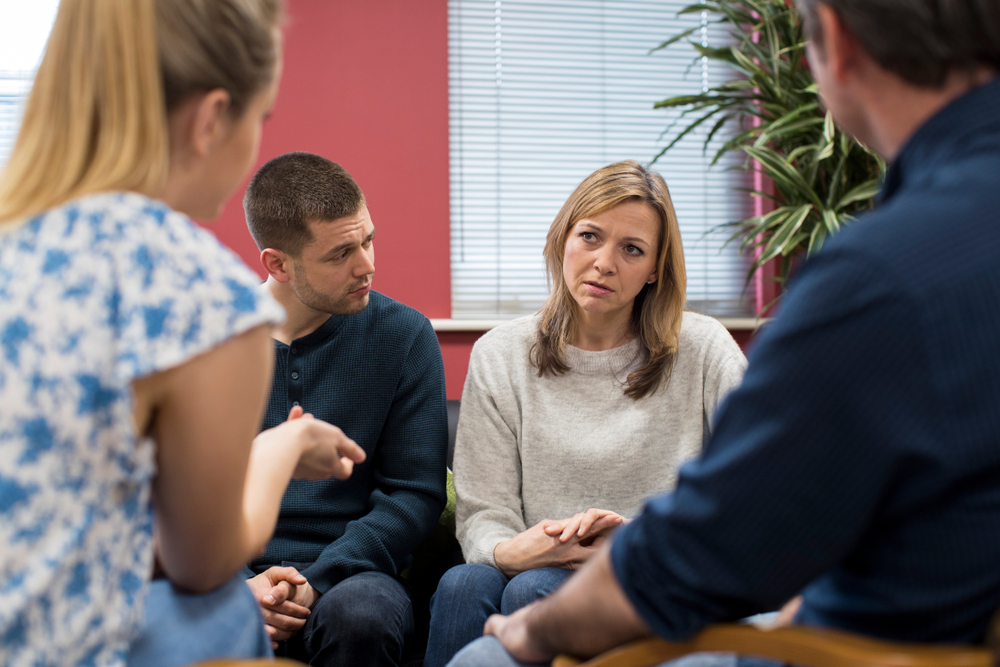
Addiction counselors help people who face challenges with alcohol, drugs, and behavioral addictions. These professionals moved away from the title “substance abuse counselors” to become addiction counselors, reducing the stigma linked to addiction-related terms. This change recognizes how stigma hurts treatment by making people reluctant to seek help, creating negative stereotypes, and lowering healthcare quality.
These counselors understand why addiction happens and create customized treatment plans that match each person’s needs and goals. They take a complete approach to address the complex factors behind substance use disorders (SUDs), which can range from mild to severe and show up differently in each person.
Addiction counselors handle several key responsibilities:
- Assessment: They evaluate mental and physical health to determine addiction severity and spot co-occurring conditions
- Treatment planning: They develop recovery strategies suited to each person
- Referrals: They connect clients with support groups, medical care, and community resources
- Intervention: They handle crisis situations and coordinate non-crisis interventions
- Counseling: They provide individual and group therapy
- Education: They teach families about SUDs and create community outreach programs
These experts work in facilities of all types, from rehabilitation centers and hospitals to private practices, correctional facilities, mental health centers, community organizations, and schools. They work together with psychologists, psychiatrists, social workers, physicians, and nurses to develop complete treatment approaches.
The job market looks promising for addiction counselors, with projected growth of 17% from 2024 to 2034—substantially faster than average. The field expects about 48,300 job openings yearly over the decade. New York requires these professionals to get credentials through the Office of Alcoholism and Substance Abuse Services (OASAS).
Addiction counselors earned a median annual wage of $59,190 in May 2024. Hospital-based counselors topped the earnings list with a median salary of $61,930. These professionals often become essential partners in recovery, helping people manage their condition and build healthier lives.
Roadmap Including Education
Your path to becoming a substance abuse counselor in NY starts with simple educational requirements. You need a high school diploma or equivalency to begin. While this is the minimum requirement, many professionals choose higher education to boost their expertise and career prospects.
The substance of NY substance abuse counselor training is the 350-hour certificate program developed by OASAS. This detailed curriculum has four main sections:
- Section I: 85 hours on knowledge of substance use disorders
- Section II: 150 hours on alcoholism and substance abuse counseling (including 15 hours on cultural humility)
- Section III: 70 hours on assessment, treatment planning, and case management
- Section IV: 45 hours on professional and ethical responsibilities
Academic degrees can boost your career advancement by a lot. An associate degree reduces required work experience by up to 1,000 hours. A bachelor’s degree cuts it by up to 2,000 hours, while a master’s degree reduces it by up to 4,000 hours.
The next step after completing education is applying for CASAC-Trainee certification. You can choose between two paths: complete all 350 hours of education or gain 4,000 hours of relevant work experience plus 85 hours of substance use disorder education. People with bachelor’s or master’s degrees in human services can pursue CASAC-Provisional certification instead.
You must then document 6,000 hours (about three years) of supervised work experience. This includes 300 hours of supervised practical training in 12 core functions. The final step is passing the OASAS-approved examination.
Several NY colleges like Jamestown Community College, Monroe Community College, and CUNY offer specialized CASAC programs. Substance abuse counselors earned a median annual salary of $59,190 in 2024, making this career financially rewarding.
Basic Skills Needed
Success as a substance abuse counselor in NY comes down to mastering both technical knowledge and people skills. The best counselors blend unique abilities that help them connect with clients and direct them through recovery.
Understanding addiction psychology is the foundation of good practice. This knowledge helps counselors spot emotional, mental, and behavioral aspects of addiction. It leads to better interventions that address both the addiction and why it happens. Counselors must also identify co-occurring disorders and grasp how biological, psychological, and social factors contribute to substance use disorders.
Great communication builds therapeutic relationships. When counselors listen actively and focus on what clients say both verbally and non-verbally, they create a safe space for expression. Empathy helps counselors understand their clients’ experiences without judgment, which promotes trust and honest dialog.
Beyond these simple skills, successful substance abuse counselors in NY need several core interpersonal abilities:
- Confidence to direct challenging situations and lead conversations effectively
- Cultural sensitivity to provide appropriate care to people of all backgrounds
- Problem-solving abilities to identify and address specific client needs
- Group management expertise to lead effective therapy sessions
- Resource navigation skills to connect clients with additional support services
Motivational interviewing techniques help counselors build rapport and encourage positive change. These techniques include reflective listening, asking open-ended questions, offering affirmations, and summarizing key points.
The OASAS certification process recognizes these competencies through its focus on practical training. Counselors must show proficiency in twelve core functions to ensure they have the full spectrum of skills needed for effective practice.
Technical knowledge can be taught, but compassion and genuine desire to help others are the foundations of long-term success in this challenging yet rewarding field.
Advanced Skills Needed
NY substance abuse counselors need more than simple certification to grow professionally. Their career demands continuous skill development. OASAS approves and provides many learning opportunities to help counselors advance their professional development.
Experienced counselors must develop these advanced skills beyond their core competencies:
- Motivational interviewing techniques – A client-centered approach helping individuals identify their intrinsic motivation for change through open-ended questions, reflective listening, and affirmations
- Trauma-informed care – Recognizing trauma prevalence and its connection to substance use disorders while ensuring interventions don’t retraumatize clients
- Case management expertise – Coordinating care for patients receiving services from multiple agencies with patient-centered advocacy
- Evidence-based practice models – Applying techniques like Dialectical Behavior Therapy (DBT) and Seeking Safety
- Cultural competence – Understanding how culture impacts treatment and developing culturally relevant interventions
CASACs can grow their network by connecting with colleagues in a variety of treatment settings. The NYS Association of CASAC Professionals offers great ways to connect through workshops, conferences, and member forums.
Your path to leadership roles opens up as you advance in your career. Starting April 1, 2024, clinical supervisors must have CASAC certification with at least a bachelor’s degree.
These advanced competencies help you deliver detailed client care across the addiction continuum of services. You become a more effective substance abuse counselor in NY as you develop these skills.
Salary and Job Expectations
Substance abuse counselors in NY earn different salaries based on their experience, location, and credentials. The median annual wage is $62,070, which is higher than the national median of $59,190. Most counselors earn between $43,160 to $101,910 per year.
Your experience level plays a big role in how much you can earn:
- Entry-level positions: $39,000-$49,000 annually
- Mid-level counselors: $50,000-$60,000
- Advanced/supervisory roles: $74,000-$99,000+
Where you work makes a difference in your paycheck. Counselors in the New York City metro area earn the highest at $71,180 per year. The pay is lower in upstate regions, with Buffalo ranging from $50,000-$60,000 and Albany from $49,000-$63,000.
The career outlook is excellent. Experts predict a 17% growth rate from 2024-2034. This is a big deal as it means that the field is growing faster than most other jobs. The industry will need to fill about 48,300 openings nationwide each year.
New York’s growth rate looks just as promising at 16.8% through 2034. We see this growth because of better funding for mental health services and ongoing work to address the opioid crisis.
New York ranks as the second-largest employer of addiction counselors in the U.S. with 24,420 professionals. This means you’ll find plenty of job opportunities in hospitals, community organizations, and other settings if you’re planning to become a substance abuse counselor.
Certifications and Licensing
Professional credentials are the foundation of practicing as a substance abuse counselor in NY. The New York State Office of Alcoholism and Substance Abuse Services (OASAS) manages all professional credentialing to ensure counselors meet high standards.
The Credentialed Alcoholism and Substance Abuse Counselor (CASAC) serves as the main credential. Candidates must complete educational requirements and pass the International Certification & Reciprocity Consortium (IC&RC) examination. OASAS charges $245 to take this computer-based test.
You can start by getting a CASAC-Trainee certificate after completing the 350-hour education program. Another path requires 4,000 work hours plus 85 hours in substance disorder knowledge. People with bachelor’s or master’s degrees in human services fields can qualify for a CASAC-Provisional certificate.
These certificates last five years and need fingerprinting for background checks. Remember, these credentials don’t allow private practice unless specifically authorized.
Full CASAC certification needs renewal every three years. Counselors must complete 60 clock hours of continuing education, with 40 hours focused on addictions.
OASAS also provides additional credentials like Credentialed Prevention Professional (CPP), Credentialed Prevention Specialist (CPS), and special designations for problem gambling.