
How to Become a Geriatric Social Worker in NY: 2026 Career Guide
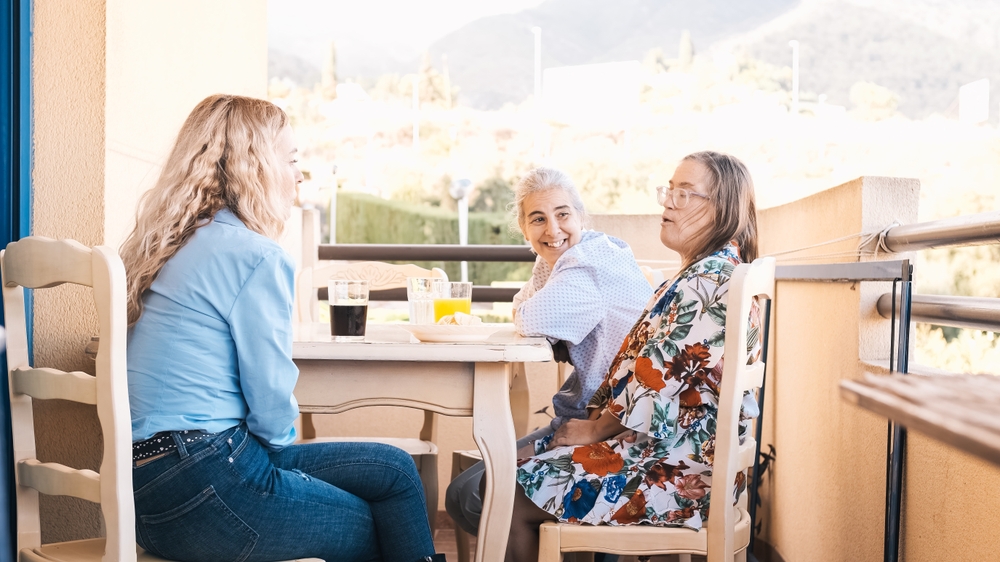
Geriatric social workers make a significant impact on our aging population. They help address the complex physical, social, and socioeconomic factors that affect older adults’ well-being. The number of Americans aged 65 or older will reach over 16% by 2025, making these professionals a vital part of our healthcare system.
These specialists promote seniors’ rights and interests while protecting those at risk of neglect or exploitation. Their unique approach treats older adults as active participants rather than passive recipients of care. This method helps seniors stay productive and independent in their later years.
Geriatric social workers start with a detailed assessment of their elderly clients to get a full picture of their lives:
- Mental and emotional health
- Family relationships and support systems
- Living environment and financial situation
- Physical health and medical needs
The results help them create personalized care plans that match their clients’ needs. They respect the core social work value of self-determination. On top of that, they link seniors with community resources, coordinate healthcare services, and provide counseling during life changes.
These professionals are a great way to get support for caregivers and families. They teach family members about healthy behaviors and disease prevention. Navigating the healthcare system can be confusing, but they’re there to help. They also provide bereavement counseling and connect caregivers with the right specialists.
You’ll find geriatric social workers in hospitals, assisted living communities, nursing homes, hospice agencies, and senior centers. The job comes with challenges like ageism and complex healthcare systems. Still, these professionals find meaning in improving seniors’ lives by helping them keep their dignity, independence, and quality of life.
The path to becoming a geriatric social worker in New York starts with understanding the field’s basics. This knowledge sets the foundation for meeting educational and professional requirements.
Roadmap Including Education
The path to becoming a geriatric social worker in NY involves several educational steps and professional credentials. Your trip starts with the right education and moves through licensing and specialized training.
You must first complete a bachelor’s degree in social work (BSW) from one of the more than 700 universities that offer these programs. BSW coursework covers community planning, social welfare, mental health, and governmental affairs. Entry-level positions need this degree, but most specialized roles demand additional education.
Advancing to a Master of Social Work (MSW) is vital for anyone who wants to specialize in geriatric social work. Your MSW program must be registered with the New York State Education Department and accredited by the Council on Social Work Education in New York. Students typically need two years of full-time study or three years part-time to complete MSW programs.
Several universities offer gerontology-focused MSW programs that help you specialize in working with older adults. NYU Silver School of Social Work and Wurzweiler School of Social Work at Yeshiva University have dedicated tracks in gerontology and palliative care.
After finishing your education, you’ll need to get proper licensing in New York State. Two main license types are available:
- Licensed Master Social Worker (LMSW) – Needs an MSW degree and passing the Master’s Level Examination
- Licensed Clinical Social Worker (LCSW) – Needs an MSW with clinical coursework, three years of supervised professional experience, and passing the Clinical Level Examination
To boost your credentials, you might want to get specialized certifications like:
- Social Worker in Gerontology (SW-G) for BSW holders
- Advanced Social Worker in Gerontology (ASW-G) for MSW holders
- Clinical Social Worker in Gerontology (CSW-G) for licensed clinical social workers
Getting field experience with older adults is significant during your education. MSW programs require at least 900 clock hours in field practicum. Many organizations provide internship opportunities in geriatric settings and often offer stipends to support your professional growth.
Basic Skills Needed
Success as a geriatric social worker in NY depends on several foundational skills beyond formal education. Empathy and compassion are the heart of elder care that help you build trust and rapport with older adults by showing genuine concern for their well-being.
Communication skills make all the difference, especially when you have seniors with sensory impairments. You should face older adults when speaking, minimize background noise, and avoid patronizing speech sometimes called “elderspeak.” Clear speech without medical jargon and written takeaway points will give a better understanding.
Active listening makes a crucial difference – you should ask open-ended questions and listen to really understand your clients’ needs. The art of listening matters more than talking when working with elderly clients.
Knowing how to promote your clients’ rights and needs will help them receive proper services and support. You need a deep knowledge of:
- Ethics and laws surrounding elder care
- Signs of abuse and neglect
- Available social services and assistance programs
- Home health care, assisted living, and nursing home options
Cultural competence plays a vital role as New York’s elderly population grows in a variety of ways. Understanding how cultural backgrounds shape points of view on aging, health, and end-of-life care becomes essential.
Patience and perseverance help you handle complex cases effectively, particularly with clients who need more time to progress. Your patience lets seniors keep their dignity and independence whenever possible.
Self-care helps prevent burnout in this emotionally challenging profession. Taking care of your well-being helps maintain the emotional reserves needed to provide quality care to elderly clients.
Advanced Skills Needed
Experienced geriatric social workers in NY need sophisticated skills that substantially improve client outcomes beyond their foundational abilities.
Professional geriatric social workers employ a strength-based framework with older adults and focus on person-centered care in community-based and institutional settings. They use detailed geriatric assessment techniques to review physical health, cognition, and socioenvironmental circumstances that are significant to develop coordinated care plans.
Care coordination stands out as a vital advanced competency. The role demands expertise in managing patient-to-provider and provider-to-provider communication while handling specialist referrals. Social workers must excel at connecting clients with community resources for immediate needs and managing long-term care requirements over months or years.
Technical proficiency plays a growing role as healthcare technology continues to advance. The ability to use telehealth, electronic health records, and patient portals helps close communication gaps between providers and patients. Social workers must also teach older adults to use these technologies effectively, as research shows better outcomes for seniors when technology combines with human instruction.
Crisis intervention skills prove essential with knowledge of trauma-informed approaches and de-escalation techniques. This expertise prevents mental health crises from escalating and ensures respectful, effective responses.
The Advanced Social Worker in Gerontology (ASW-G) credential demonstrates specialized expertise after two years of relevant experience.
Salary and Job Expectations
Geriatric social workers have a bright financial future ahead in 2026. These professionals earn an average annual salary of $67,283-$70,209 nationwide ($32.35-$33.75 hourly). Top performers make $91,755-$97,000 while entry-level positions start at $46,980.
New York’s senior social workers earn more than the national average at $71,591 annually. The Bronx guides the state’s earnings at $89,579, with Brooklyn following at $77,916 and Harlem at $75,764.
Your education level affects your earning potential. MSW degree holders earn about $13,000 more than their BSW counterparts. Advanced education proves to be a worthwhile investment throughout your career.
The job market looks strong with social work positions growing 6-13% through 2029-2034, faster than most other occupations. Healthcare social workers can expect the best prospects with 6-8% growth. America’s aging population drives this trend, with 18% of adults now 65 or older.
The field needs more geriatric specialists as demand exceeds supply. Only 9% of social workers choose gerontology as their main practice area. This creates excellent opportunities for new specialists, especially when you have positions in long-term care facilities, rehabilitation centers, outpatient clinics, and government agencies.
Certifications and Licensing
Getting the right credentials is a crucial step on your path to becoming a geriatric social worker in NY. Social workers must get licensed in New York State through a well-laid-out process.
The Licensed Master Social Worker (LMSW) credential is your starting point. You’ll need an MSW degree from a CSWE-accredited program and must pass the ASWB Masters examination. The Licensed Clinical Social Worker (LCSW) designation requires an MSW with 12 clinical credits. You’ll also need three years of supervised post-graduate experience and must pass the ASWB Clinical exam. Both licenses require child abuse identification training. Candidates should be at least 21 years old and show good moral character.
Your marketability in geriatric practice grows with specialized credentials beyond state licensure. The National Association of Social Workers provides three key certifications:
- Social Worker in Gerontology (SW-G): BSW holders need three years of experience working with older adults
- Advanced Social Worker in Gerontology (ASW-G): MSW graduates need two years of experience in aging-focused settings
- Clinical Social Worker in Gerontology (CSW-G): Clinical practitioners need two years of post-MSW experience treating older adults
These optional certifications are a great way to get additional expertise. You’ll need 20-30 contact hours of continuing education and must follow NASW’s Code of Ethics and Standards for Social Work in Long-Term Care Facilities.