
Columbia University Social Work Programs
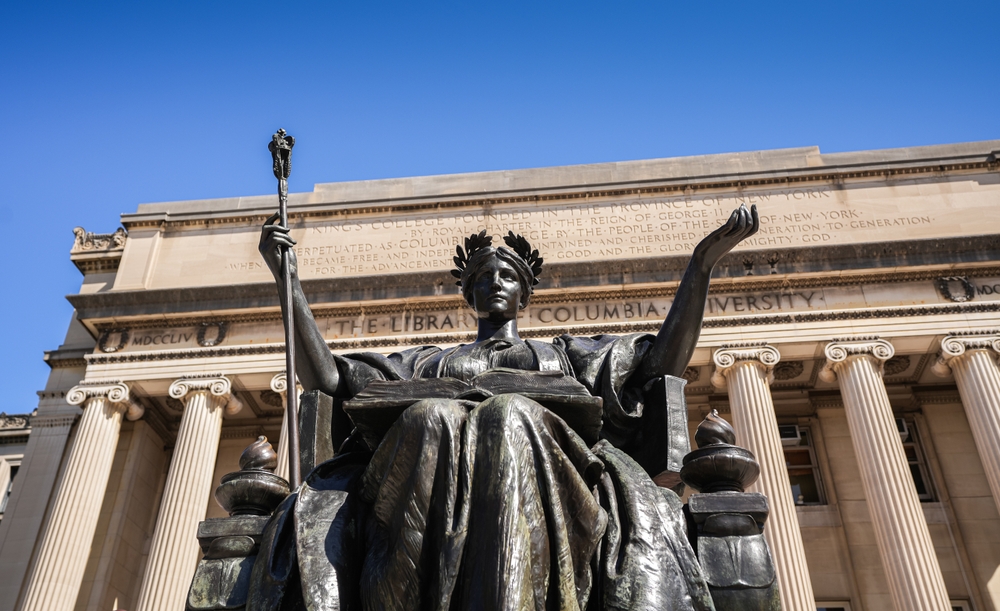
Columbia University, 269 years old, ranks among the most prestigious educational institutions in the United States. This Ivy League university sits in New York City and leads global higher education in many disciplines, including social work.
The Columbia School of Social Work is the core of professional social work education nationwide. The school started in 1898, making it the country’s oldest university-based social work program. This deep-rooted history shapes the school’s modern approach to social work education that combines traditional methods with new practices.
The school’s Upper Manhattan location in Morningside Heights connects it with both the university and New York City’s dynamic urban environment. Students benefit from this prime location that gives them access to field placements in the city’s extensive network of social service agencies, healthcare facilities, and community organizations.
The faculty consists of well-known researchers, practitioners, and policy experts who bring fresh views to the classroom. Their knowledge covers clinical practice, social policy, community organizing, and global social work initiatives. This mix of expertise helps students tackle complex social challenges from different angles.
Columbia’s social work programs focus on evidence-based practice, social justice, and cultural competence. Students apply their classroom learning in real-life settings through extensive field education. The school also creates an environment of scholarly research that helps advance the field.
The school’s strong alumni network includes leaders across the social services sector. Current students and recent graduates use these professional connections to build their social work careers.
Columbia leads social work education by adapting its programs to meet new social challenges and changing professional standards.
Social work programs offered
Columbia School of Social Work’s Master of Science in Social Work (MSSW) program has earned full accreditation from the Council on Social Work Education (CSWE). This prestigious program sets itself apart by providing more degree options than other social work schools.
The program’s foundation rests on the PROP framework, which explores how power, race, oppression, and privilege shape social work practice. Students need 60 credits to graduate – 42 through coursework and 18 through practicum learning. This includes 1,200 hours of valuable field experience.
Students can tailor their education by choosing from four method specializations:
- Advanced Clinical Practice (ACP): Builds clinical expertise to enhance resilience and well-being, with a focus on families, individuals, and groups
- Integrated Practice and Programming (IPP): Bridges individual and community levels through program planning and evidence-based interventions
- Policy Practice (POL): Develops skills in policy analysis, advocacy, and research
- Leadership, Management, and Entrepreneurship for Social Justice (LME): Equips students to manage organizations and create ventures that tackle social problems
The curriculum includes seven fields of practice: Aging, Contemporary Social Issues, Family/Youth/Children’s Services, Health/Mental Health/Disabilities, International Social Welfare, School-Based Services, and World of Work.
The school adapts to students’ needs through multiple program pathways:
- Two-Year (traditional full-time)
- Advanced Standing (if you have a BSW)
- Part-Time
- Part-Time to Full-Time (Extended)
- One-Year Residency for Working Professionals
- Transfer
Columbia enriches its program with eight dual degree options in partnership with other university schools, including the MBA, JD, MPH, and MPA. Students can also minor in Advocacy in the Criminal Legal System, International Social Welfare, or Social Welfare Policy.
The Social Work Pathways Initiative (SWPI) demonstrates Columbia’s commitment to supporting BIPOC and economically vulnerable students who pursue advanced degrees.
Online program options
Columbia’s online Master of Science in Social Work (MSSW) program is available across the United States. Students can experience this award-winning program that combines Columbia’s prestigious MSSW benefits while extending their world-class education beyond New York City.
Students follow the same rigorous curriculum as the on-campus version with accreditation from the Council on Social Work Education (CSWE). The program is a chance to study flexibly through six distinct pathways:
- Two-Year (traditional full-time)
- Advanced Standing (for BSW holders)
- Part-Time
- Part-Time to Full-Time (Extended)
- One-Year Residency for Working Professionals (Reduced Residency)
- Transfer
Traditional standing students must complete 60 course credits and 1,200 hours of field practicum. Students can finish this in two years of full-time study or about four years part-time. The Reduced Residency track needs 900 hours of field education instead of 1,200. This track suits professionals who have at least two years of direct practice experience.
Students with BSW degrees can take advantage of advanced standing status. They need just 33 credit hours and 600 hours of field education to complete the program in one year.
Students learn from Columbia’s distinguished faculty while completing practicum placements in their local metropolitan area. The full-time Two-Year pathway splits into two parts: the Generalist Year focuses on fundamental knowledge, and the Specialized Year lets students select method specializations and fields of practice.
Full-time students usually take three to four courses each term. They spend seven to eight hours weekly in synchronous classes plus extra time on assignments. Practicum requirements include 21 hours weekly at placement sites during standard business hours.
Columbia’s program delivers impressive results. 98% of online graduates find employment or pursue further education within one year of graduation. Social workers with master’s degrees earn 25% more than those with bachelor’s degrees. Columbia’s graduates earn 8% higher salaries than social workers overall.
Admissions
Columbia’s social work programs have specific deadlines and requirements you need to follow. The MSSW program needs a bachelor’s degree from an accredited institution. You should show good academic skills and a steadfast dedication to social work.
Columbia offers three application deadlines for Fall:
- Priority: December 1st
- Second deadline: February 15th
- Final deadline: April 1st
Students applying for Spring should submit applications by September 1st (16-Month pathway). The deadline is October 31st for Part-Time, Part-Time to Full-Time, and One-Year Residency pathways.
Your application package should include:
- $75.00 application fee (qualifying applicants can get waivers)
- Detailed resume
- 2-3 essay responses
- Two recommendation letters
- Transcripts from all institutions attended
Students whose native language isn’t English need to submit language proficiency scores. The minimum scores are TOEFL 100+, IELTS 7.0+, or Duolingo 130+.
Advanced Standing applicants must submit their BSW course lists and field evaluations with specific essays. Transfer students need to provide MSW course details, field evaluations, and an academic reference. One-Year Residency applicants should get supervisor recommendations that confirm workplace support.
You should begin your application early. This gives you time to gather all documents, especially when you have international coursework that needs evaluation.
Tuition
Planning your finances carefully makes sense when you’re looking at Columbia’s social work education. Full-time MSSW students will pay a flat tuition rate of $30,382 per semester for 10.5 to 19.5 credit hours in the 2025-2026 academic year. Part-time students pay $2,025 per credit. This rate also applies to full-time students who take more than 19.5 credits.
Some programs come with different costs. Advanced Standing Program students need to pay $11,628 for Summer 2025. Students in the International Students Program pay $25,441 for each Fall 2025 and Spring 2026 term.
Columbia provides strong financial support to its students. About 90% of students who file FAFSA receive aid from the institution. Full-time students who show financial need can get scholarships between $5,000 to $20,000 each year. Part-time students can also get need-based funding from the institution.
Students have access to competitive scholarships, fellowships, and outside funding options. The New York City Community Scholarship covers full tuition for CUNY graduates. Military service members and alumni from AmeriCorps and Peace Corps might qualify for special benefits.
The costs might look high at first, but many financial options are available to make this top-tier education more affordable.
Other information
Columbia social work students get support that goes way beyond the classroom through complete career development and academic services. The Career and Leadership Management team provides individual-specific coaching and educational programs. They also help you build valuable connections with potential employers during your time as a student and after you graduate.
Your career advancement gets a well-laid-out structure through Career Connect (powered by GradLeaders). You can access it with your Columbia UNI credentials. New students can start using this platform to find job opportunities and professional resources within their first week of classes.
The Writing Center helps you tackle program-related writing challenges and succeed academically. The Office of Student Affairs also helps with course registration, disability accommodations, and academic certifications that you need for licensing.
Columbia’s MSSW program meets all requirements for master-level social work licensure after graduation because it’s CSWE-accredited. Social work regulations vary in different states, so you need to research specific requirements for the state where you plan to practice.
Your future licensure applications will need complete records of your coursework syllabi, field evaluations, and supervision documentation. You should check licensing board websites, application steps, and exam requirements in places where you might practice before you graduate.