
Hunter College Social Work Programs
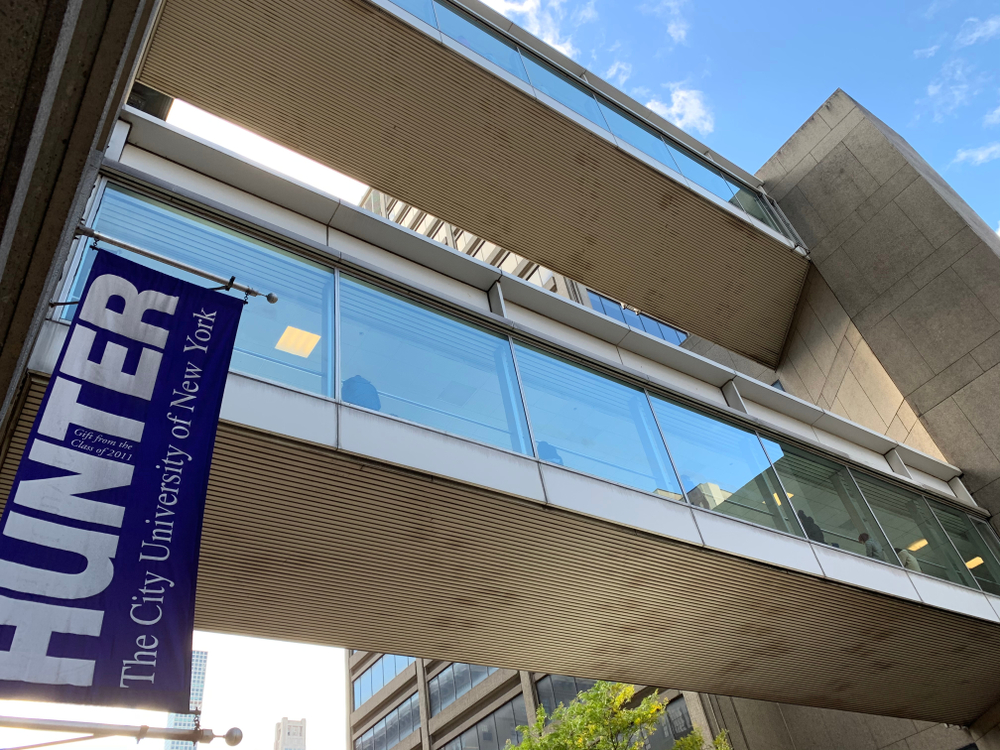
Looking to build a career in social work? The nationally ranked Silberman School of Social Work at Hunter College has complete education paths that might interest you. Right now, over 1,200 master’s-level students and 75 PhD students call this school their home. These programs will give you the knowledge and skills you need to succeed in social work, whether you’re just starting out or moving up in your career.
The Silberman School of Social Work’s programs include both Master of Social Work (MSW) and Bachelor of Social Work (BSW) degrees. The MSW program needs 60 credits for completion. You can choose from several flexible options. The Two-Year Full-Time Program takes five semesters plus two summers. Students ready for a faster pace can pick the Accelerated Full-Time Program. The Advanced Standing Program lets qualified students finish 36 credits in just three semesters. The BSW program, which started in Fall 2016, blends theory with hands-on experience through a resilient curriculum and field placements.
This guide will get into everything you should know about Hunter College’s social work programs. You’ll find details about admissions requirements, tuition costs, program specifics, online options, and helpful information to help you make the right choice for your social work education.
Social work programs offered
Students looking for reliable social work education can find excellent options at the Silberman School of Social Work at Hunter College. These programs prepare you for a variety of career paths in the field.
The Bachelor of Social Work (BSW) Program connects theory with real-life experience through a world-class practice-based approach. You’ll move through the curriculum with your fellow students and participate in meaningful internships. The program focuses on developing knowledgeable, caring front-line social workers in Child Welfare and Care Coordination. Full-time, matriculated Hunter College undergraduates with 55-80 credits can apply. The BSW program gives you core skills in assessment, engagement, intervention, advocacy, and documentation through a generalist practice lens.
The Master of Social Work (MSW) program offers several paths that fit different schedules and needs:
- Two-Year Full-Time Program: Students attend classes two days weekly with their cohort and complete field placement three days weekly. The program requires 60 credits, usually finished in five semesters plus two summer terms.
- Accelerated Full-Time Program: Students can complete 60 credits in five semesters through this intensive, year-round option that focuses on Clinical Practice with Individuals, Families, and Groups.
- One-Year Residency (OYR): This program lets working professionals earn their degree while keeping their jobs by connecting their work environment with academic studies.
- Advanced Standing Program: Recent BSW graduates from CSWE-accredited programs (within five years) need only complete 36 credits over three semesters.
Additional options include the Accelerated One-Year Residency Program that suits working professionals ready to take on challenging studies. Students can also pursue a Dual Degree that combines an MSW with an M.S.Ed. from Bank Street College, with emphasis on infant and family development and early intervention.
The MSW curriculum shows a steadfast dedication to social justice, diversity, and ethical practice in metropolitan and global environments. It builds on core competencies established by the Council on Social Work Education (CSWE).
Online program options
Hunter College School of Social Work provides limited but flexible online options for specific programs.
Students should note that Hunter College does not offer an online option for its BSW degree program. In spite of that, the Silberman School delivers MSW courses in four different formats with varying levels of online instruction:
- Online – Students complete 100% of coursework through online activities or virtual meetings. Some sections of Human Behavior in the Social Environment and Research Methods exemplify this format.
- Online Asynchronous (OA) – Students access materials and submit assignments according to their schedule while meeting set deadlines.
- Online Synchronous (OS) – Virtual attendance mirrors traditional classroom timing with scheduled online sessions.
- Online Mix (OM) – Students participate in both scheduled online meetings (25-75% of class time) and self-paced work.
These formats help students save commute time, manage schedules better, and build their digital skills. Hunter’s Center for Online Learning supports students with resources and workshops throughout their online courses.
Hunter Continuing Education collaborates with MindEdge Learning to deliver practical, cost-effective online courses in various fields for professional growth.
Admissions
Silberman School of Social Work sets high academic standards for its program pathways.
BSW program candidates need a minimum 2.75 GPA along with social services experience through work or volunteering. Students from community colleges should secure admission to Hunter College before they apply to the BSW program.
The MSW program demands a stronger academic record with a minimum 3.0 undergraduate GPA. A complete application should have:
- Official transcripts from all previous colleges
- Statement of Purpose (recommended 3-4 pages)
- Two professional or academic letters of recommendation
- $75 non-refundable application fee
Each program pathway comes with specific requirements. Advanced Standing candidates should maintain an overall 3.0 GPA with 3.2 in their social work major. They also need core competency forms from their faculty advisor and field instructor. One-Year Residency candidates must complete at least two years of full-time work at a social service agency.
Program deadlines differ based on admission cycles. Fall admission applications are due March 1, while spring admission applications for Accelerated programs must be submitted by November 1.
International students must provide evaluated transcripts showing U.S. equivalency and TOEFL scores. The minimum requirement is 80 for internet-based testing.
Qualified candidates who meet these requirements will participate in a group interview that includes a writing assessment.
Tuition
Silberman School of Social Work at Hunter College offers one of the country’s most affordable quality social work education programs. Students pay about half the tuition compared to similar private institutions.
New York State residents can expect to pay $470 per credit for part-time MSW study or $5,545 per semester for full-time enrollment. Non-resident students pay $855 per credit. A NY resident’s total MSW program cost reaches approximately $13,348 for 48-51 credits, while private schools charge around $54,278.
NY resident BSW students’ tuition is $3,465 per semester full-time or $305 per credit part-time. Non-resident undergraduate rates stand at $620 per credit.
Students must budget for mandatory semester fees. Graduate students’ combined fees total $153.45 during fall and spring terms, while undergraduate fees amount to $225.10. These fees include technology charges ($125 full-time; $62.50 part-time) and a united service fee ($15).
The Tuition Assistance Program (TAP) provides financial support to eligible NY residents. Hunter College’s scholarships and interest-free Nelnet Payment Plan help many students manage costs. This support system helps more than 75% of Hunter students complete their education debt-free.
Other information
The Council on Social Work Education accredits Hunter College’s Silberman School of Social Work’s BSW and MSW programs. This accreditation ensures graduates meet national professional standards.
Students get practical experience through field education, which is social work’s signature teaching method. They apply theoretical knowledge in ground settings by managing cases, handling crises, advocating for social causes and working on policies.
Silberman’s alumni speak highly of their education. Graduate Mary Cassese shares, “I know how privileged I was to be selected to attend Silberman School of Social Work at Hunter.” Lacy Maffei, another graduate, adds, “When you join the Silberman community, you gain more than just an education, you gain a lifetime of resources.”
Hunter College’s Career Center provides complete career support with Handshake access to search jobs and Focus 2 to explore careers. The spring semester brings job fairs that Silberman co-sponsors with other New York social work schools.
Hunter College’s Silberman School of Social Work sets you on a path to make a difference in communities that need dedicated professionals. The school is one of the nation’s largest social work institutions. It produces skilled practitioners who tackle pressing social challenges through clinical work, advocacy, and policy development.
You’ll join a huge network of alumni after graduation. These professionals work in hospitals, schools, government agencies, and community organizations. Many Silberman graduates now lead New York City’s social services sector.
Social justice remains at the heart of Silberman’s curriculum, with special focus on serving marginalized communities. The school’s location in the city gives students amazing access to field placements across the five boroughs. Students gain hands-on experience in their chosen specializations.
The BSW program serves as a great starting point for newcomers to social work. Those looking for advanced credentials can choose from flexible MSW pathways. Faculty members bring their ground experience to every classroom, no matter which program you pick.
Hunter College’s social work programs strike the right balance between academic excellence and practical skills. The programs cost much less than similar institutions. Students who want quality education with strong career prospects should look at the Silberman School of Social Work at Hunter College.